

Students’ Movement and Anti-Caste Politics
Critical reflections, essays, and personal histories examining the intersections of campus struggles, institutional casteism, and autonomous anti-caste student politics.
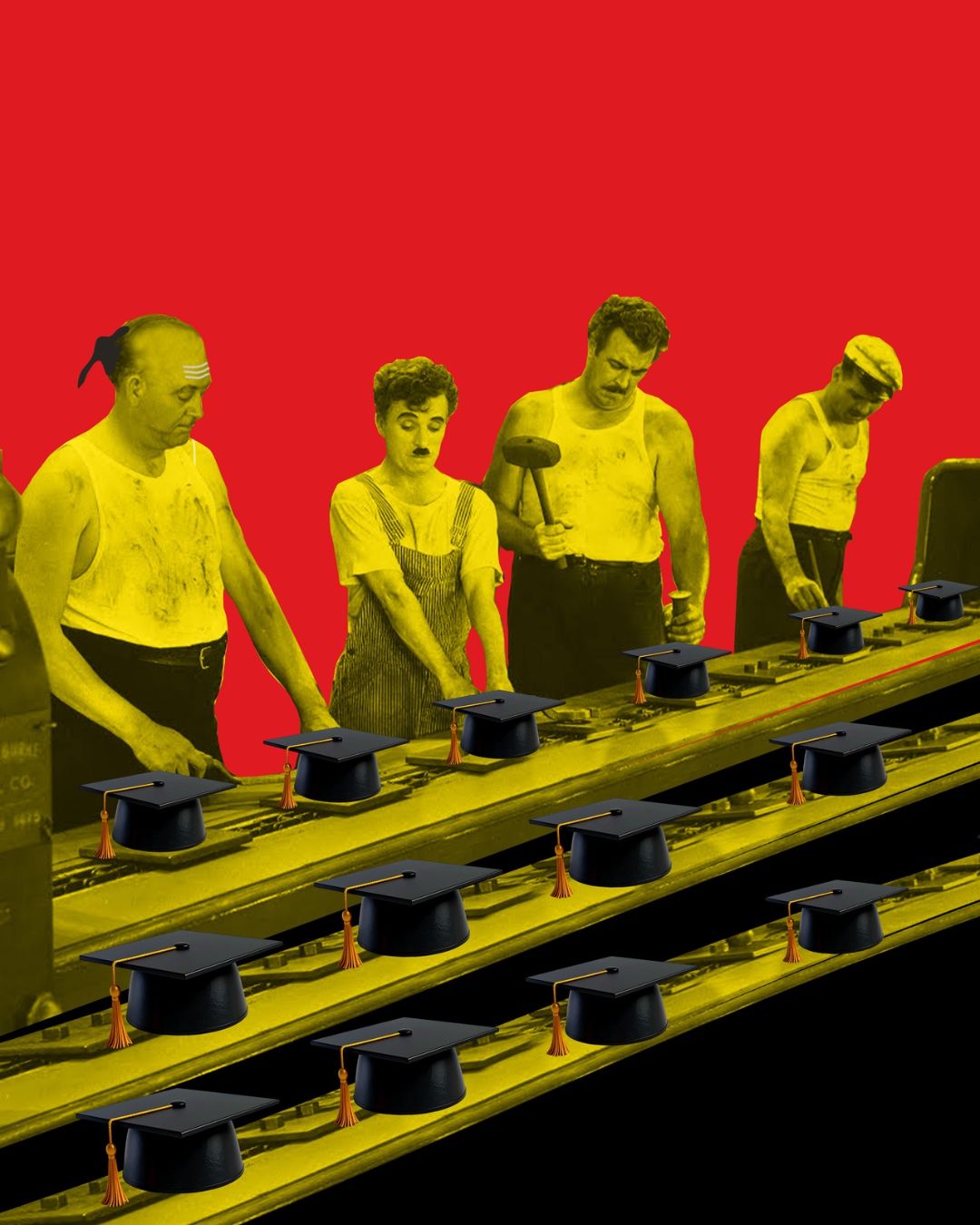
Building mass institutions in the age of McUniversities
By Ila Gaikwad
Ila Gaikwad critiques the privatization of higher education and the commodification of radical thought in contemporary 'McUniversities,' calling for a ground-up student movement rooted in the material class and caste struggles of the masses.

Why Do We Protest?
By Dr Jitendra Suna
Dr Jitendra Suna explores protest as a moral, existential, and philosophical necessity—arguing that youth rebellion against familial patriarchy, Brahmanical ethics, and state tyranny is essential to reclaiming human agency and universal morality.

Finding a Politics of Our Own: Why I Choose ASA Beyond Right and Left Campus Politics
By Ankush Nirmalkar
Ankush Nirmalkar reflects on student politics at Pondicherry University, examining why autonomous Ambedkarite organizing through the ASA is essential for Dalit and Adivasi students navigating institutional casteism beyond traditional left-right binaries.
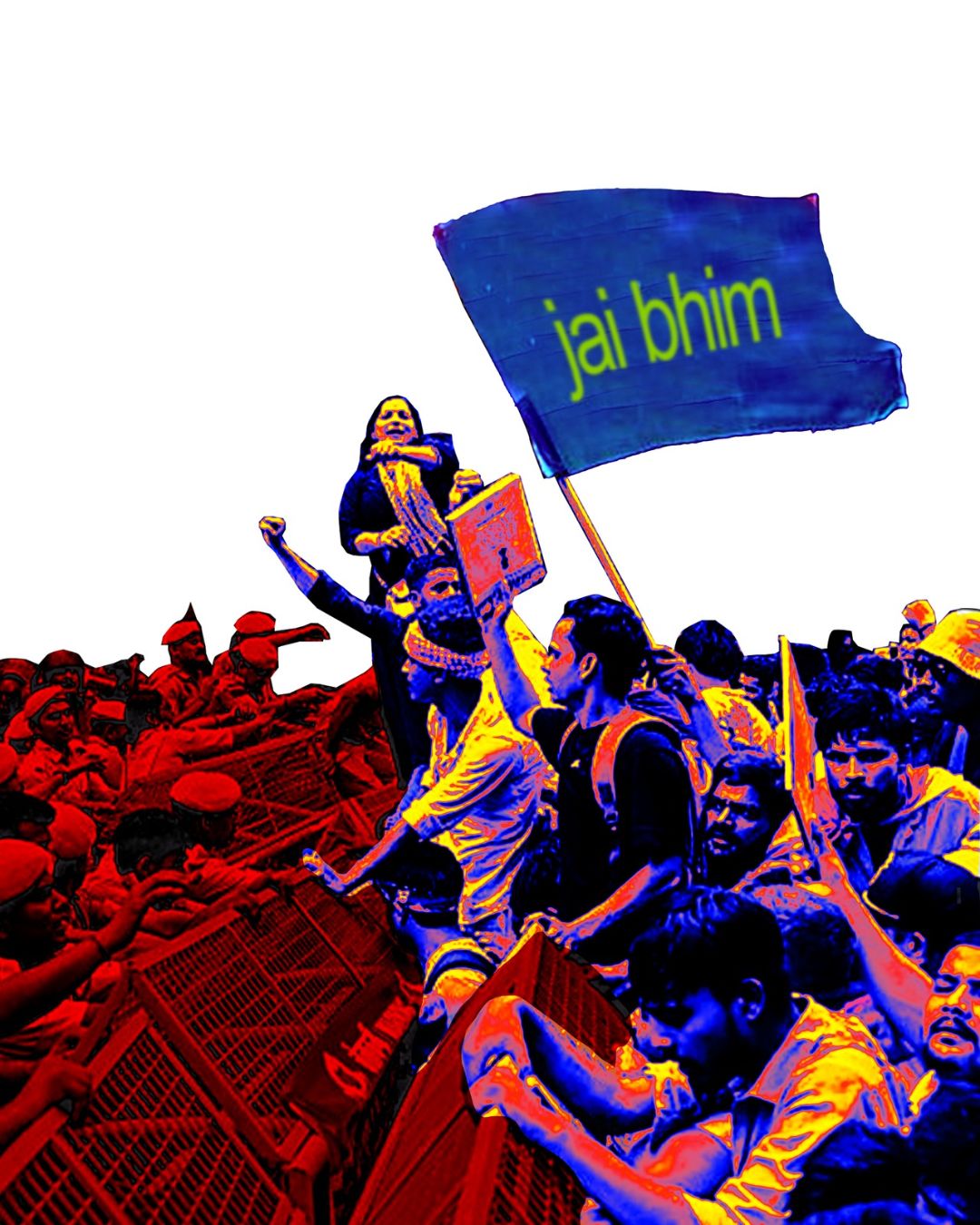
Gen Z, Ambedkarism and the Politics of Presence
By N. Sukumar
N. Sukumar analyzes how Gen Z youth movements and satirical digital campaigns have challenged majoritarian authoritarianism, weaponized street mobilization, and reclaimed constitutional morality through an Ambedkarite framework.
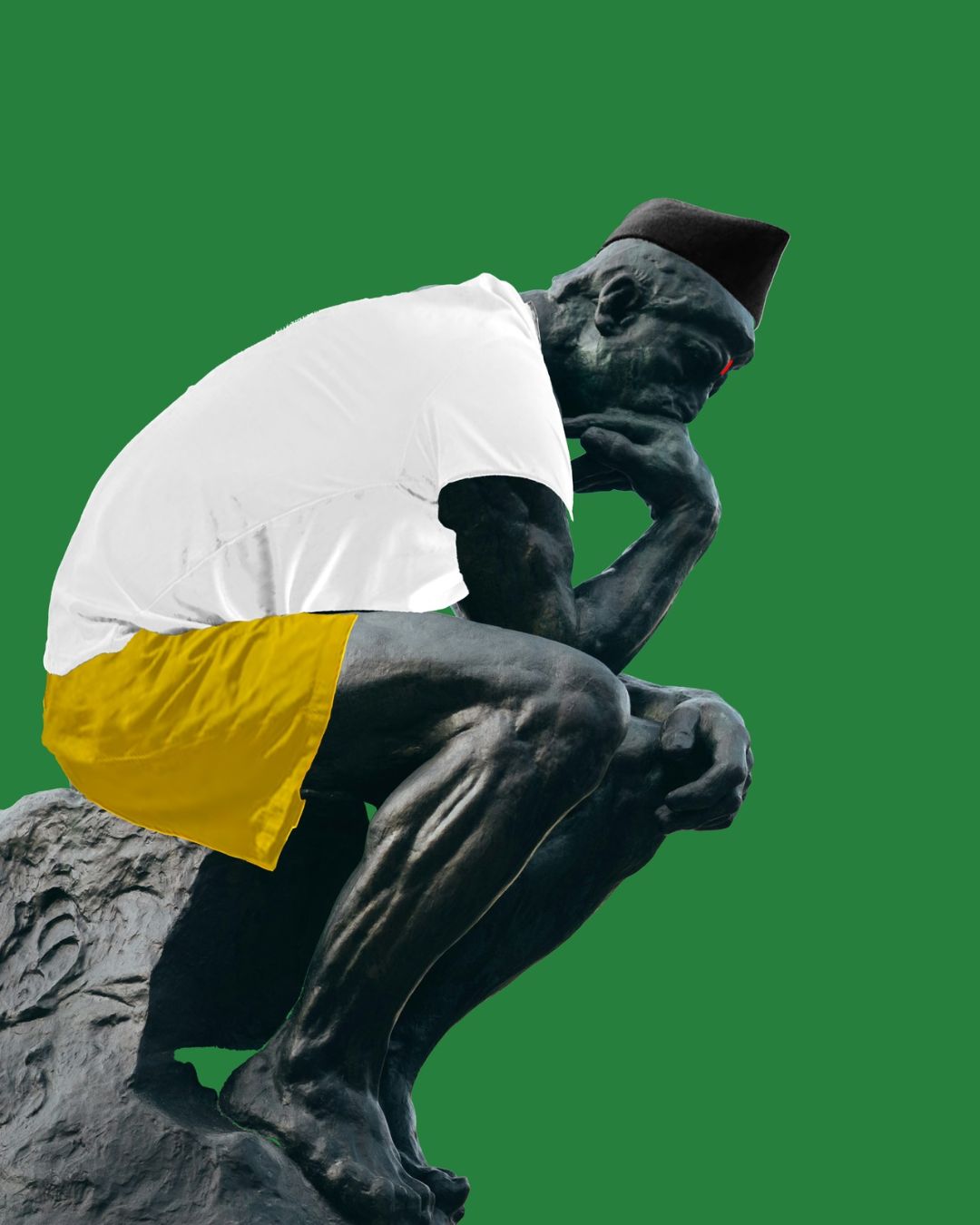
The Saffron Blanket on Indian Philosophy
By Sabi.e
Sabi.e critiques the Indian Council of Philosophical Research's (ICPR) seminar themes on World Philosophy Day, arguing that the suggested topics systematically push a Hindutva-leaning national agenda, sanitize feudal hierarchies, and marginalize critical anti-caste and secular philosophies.

Casteism in BMC schools: Dalit Students in Colonial Bombay
By Sara Shadab Arab
Sara Shadab Arab examines early Dalit student protests against segregated water pots in colonial Bombay municipal schools, exploring how 'voluntary separatism' was used to mask institutional casteism and how the Bahishkrit Bharat helped build an Ambedkarite counterpublic.
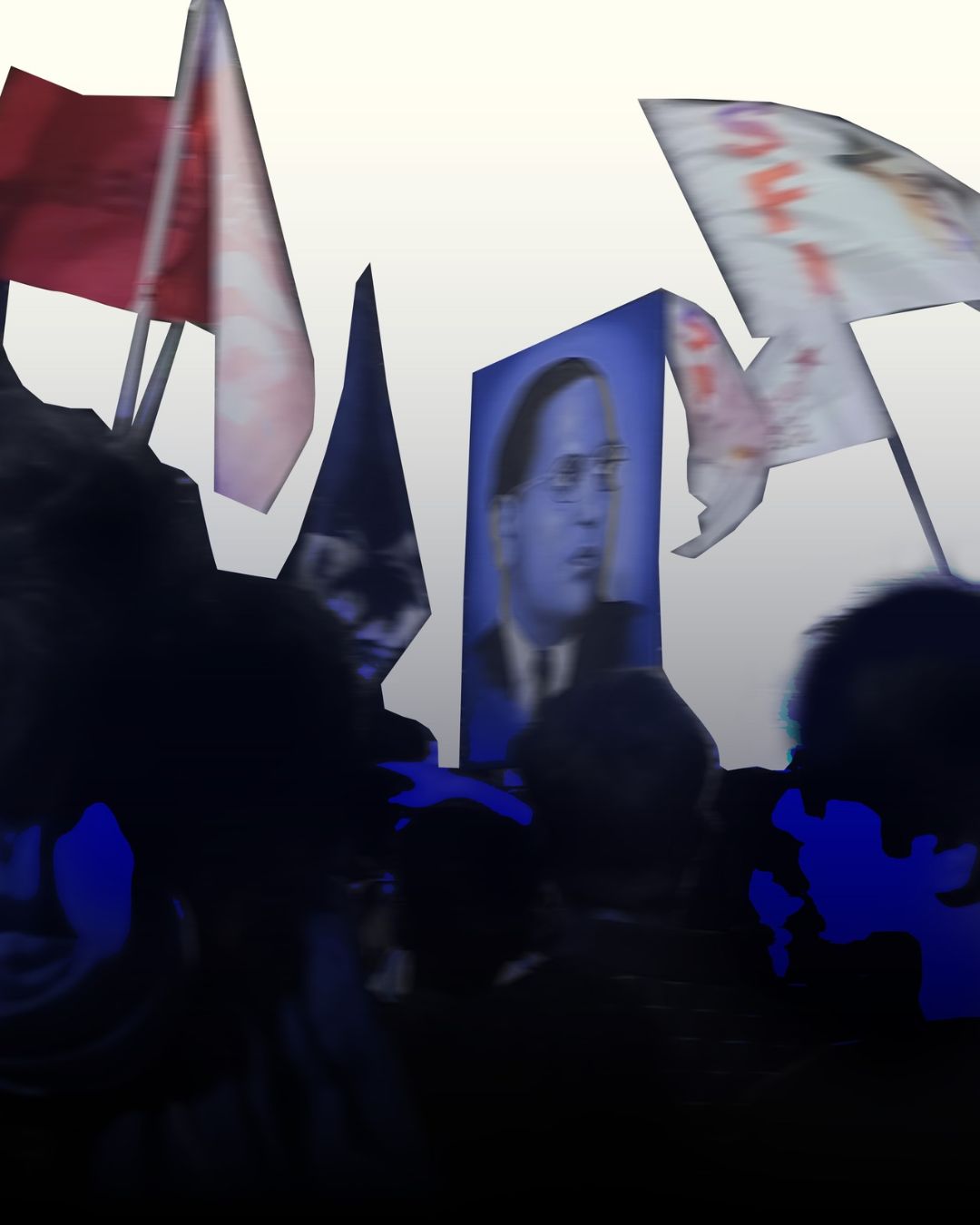
Notes on Progressive Student Movements and Anti-caste Politics at the University of Hyderabad
By Deivendra Kumar A
Deivendra Kumar A examines the shifting political landscape at the University of Hyderabad, analyzing the challenges of rising right-wing violence, upper-caste hegemony, and the urgent necessity to rebuild progressive Left-Ambedkarite student solidarity.
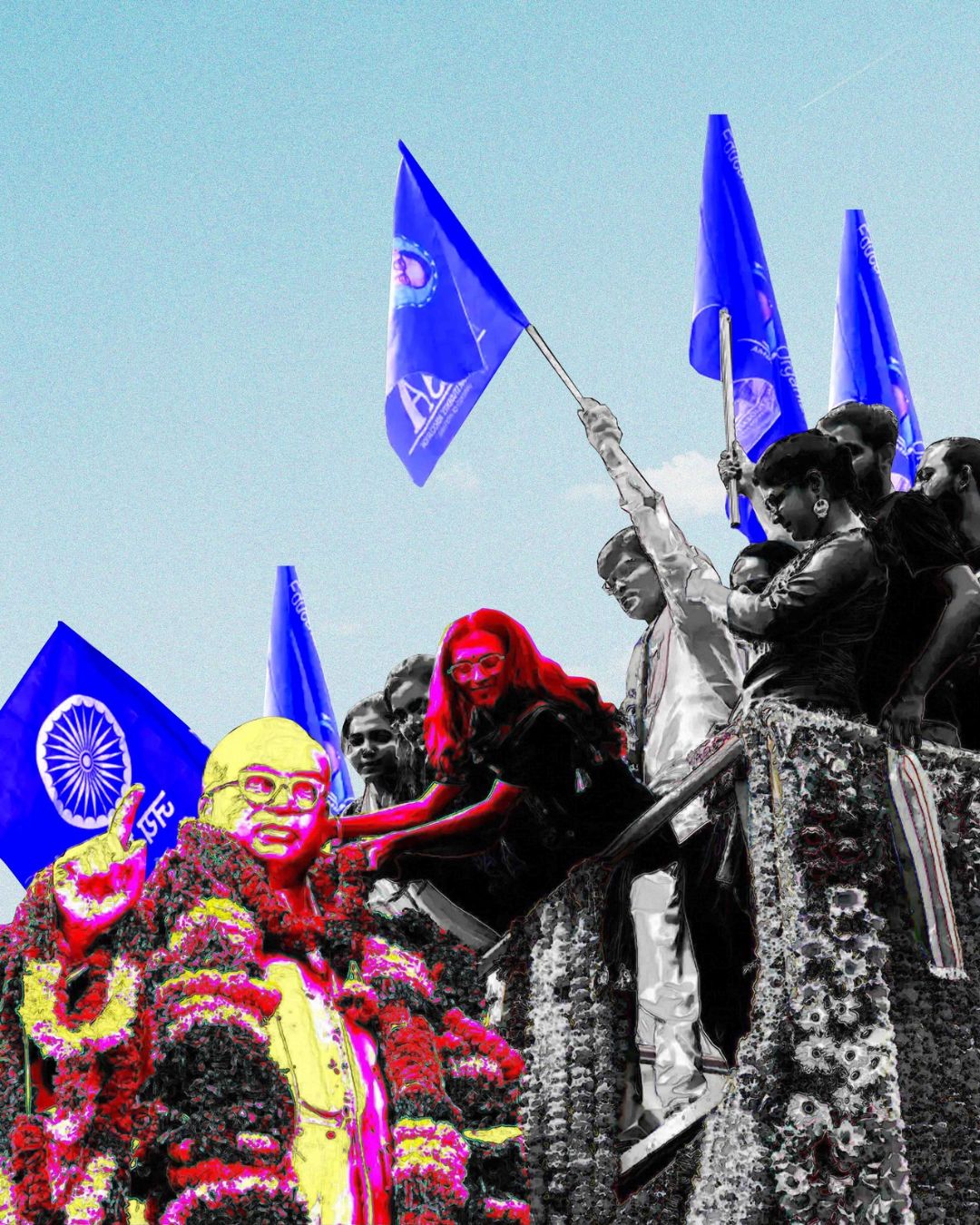
Dissent, Loss and Autonomy: The principles I inherited in ASA
By Hritik Lalan
Hritik Lalan reflects on the everyday organizing, internal dissent, material constraints, and the ethic of autonomy within the Ambedkar Students Association (ASA) at Hyderabad Central University.
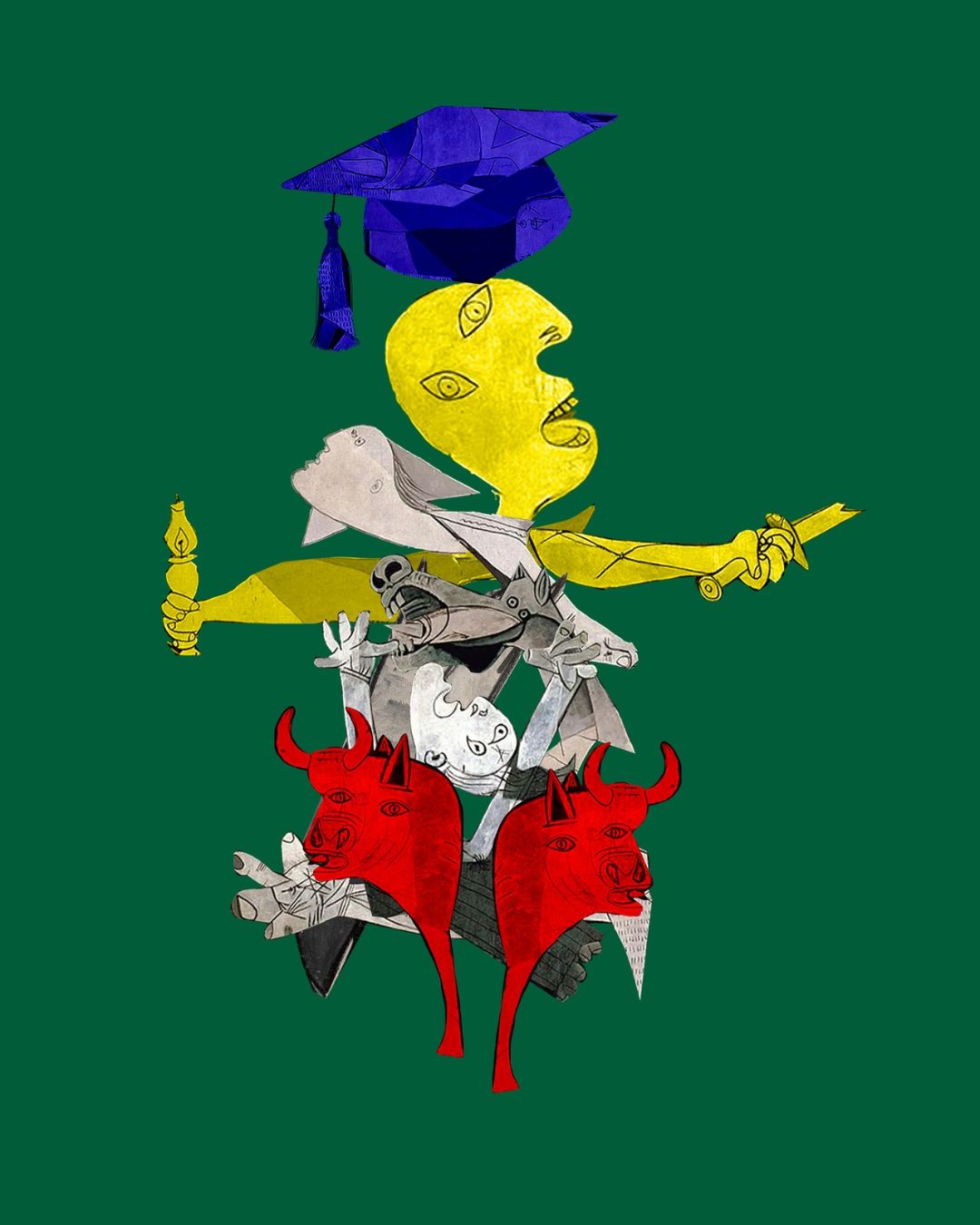
The university wants to fuck you to death: Notes on the Casteist University’s Death Drive
By Arya Asanga
Arya Asanga psychoanalyzes the death drive of the neoliberal, casteist university, examining institutional fetishism, conditional inclusion, and the melancholic subject of caste.
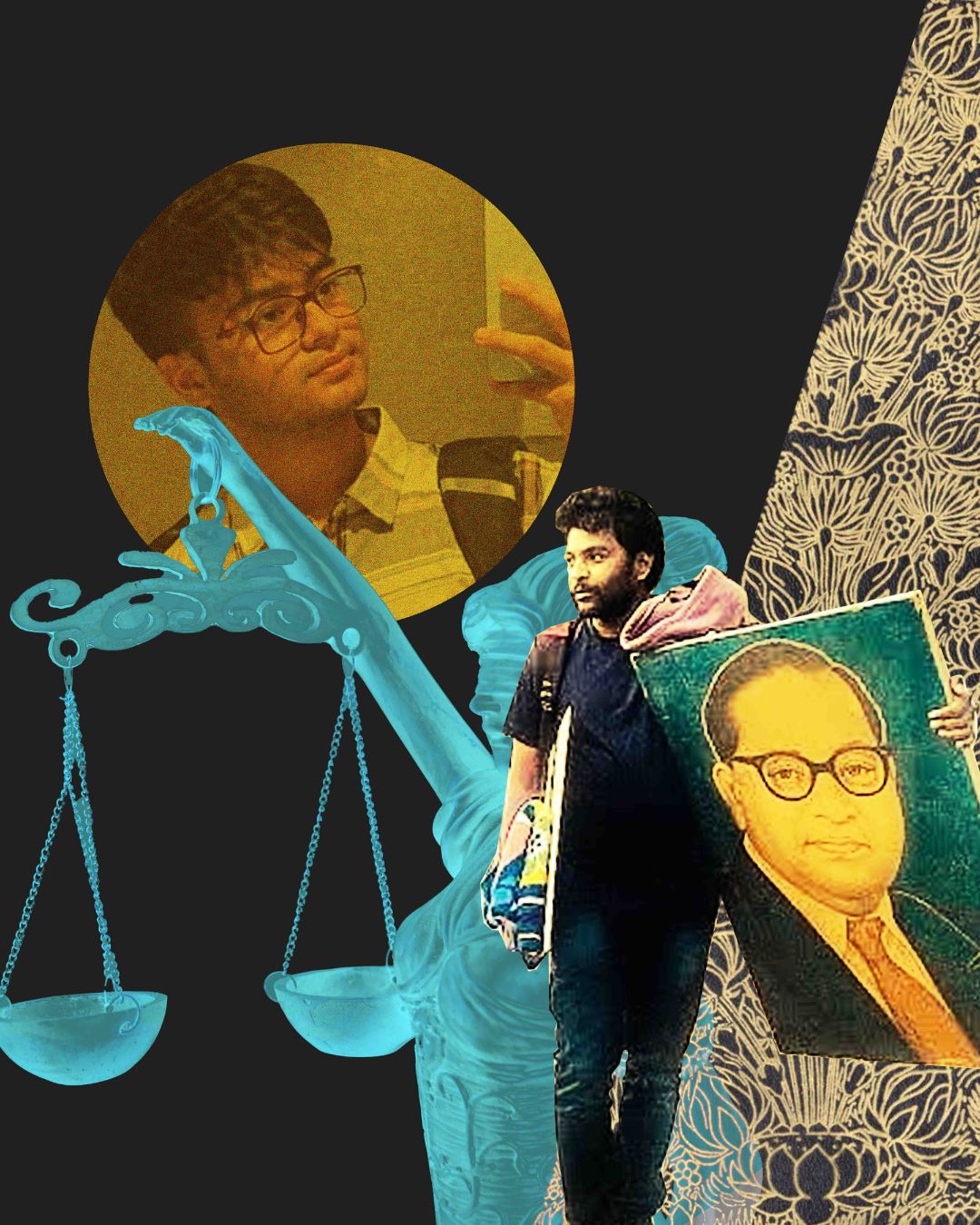
The Many Ways to Discriminate
By Dr. Ashna Singh
Dr. Ashna Singh examines the legal and conceptual frameworks of institutional and indirect discrimination across global jurisdictions, highlighting the urgent need for Indian anti-discrimination law to address covert, rule-based caste exclusion in higher education.

I Began With A Slate: On Sports, Caste Validity Certificate and Becoming a Lawyer
By Narsing Pawara
Narsing Pawara recounts his journey from a remote village through sports and legal hurdles, detailing the systemic barriers of caste validity certificates and the struggle for dignity in the legal profession.
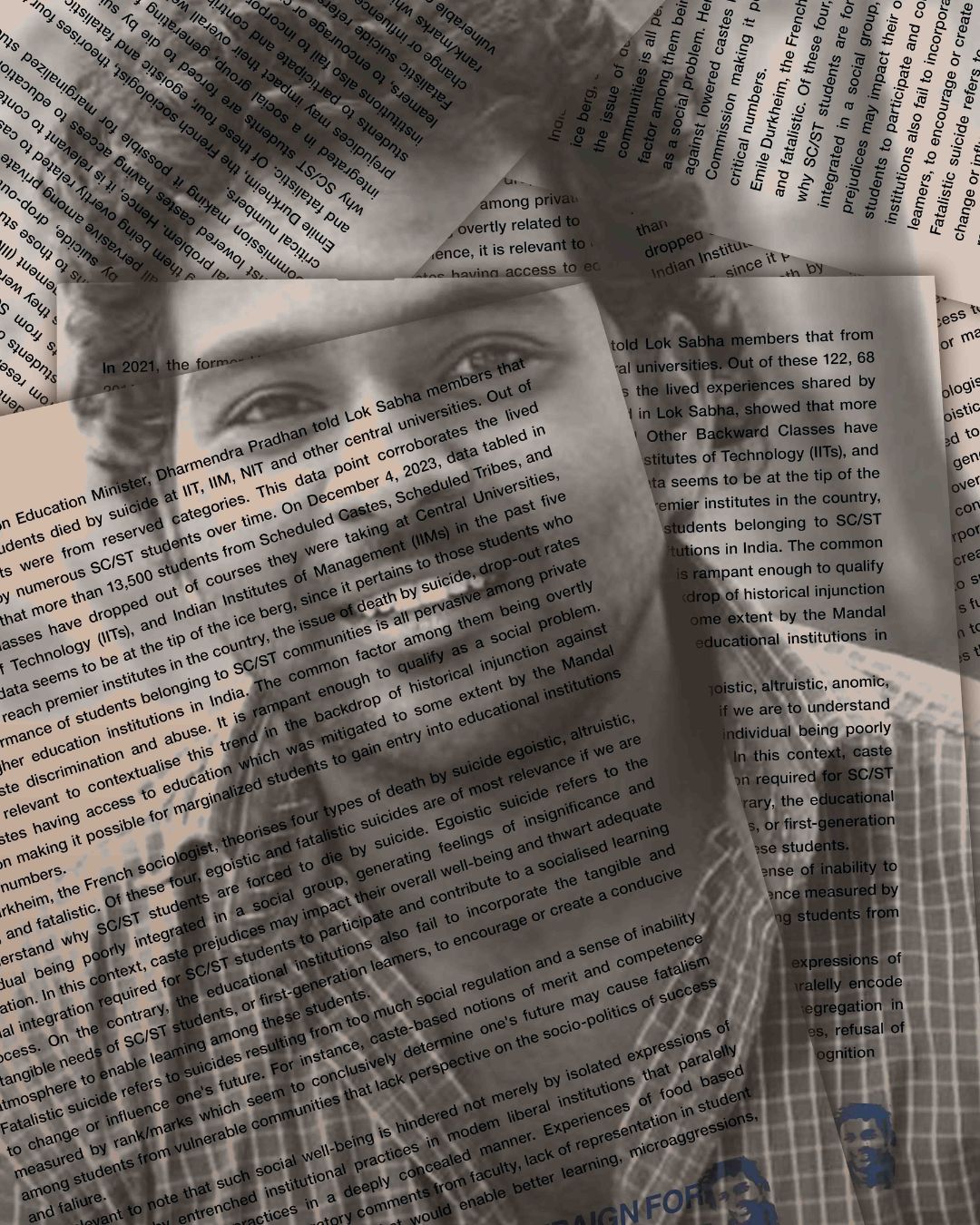
Omission as discrimination: Towards the Rohith Act
By Dontha Prashanth
Dontha Prashanth examines how institutional omissions and verbal aggression operate as systemic caste discrimination in Indian higher education, arguing for the legislative necessity of the Rohith Act.
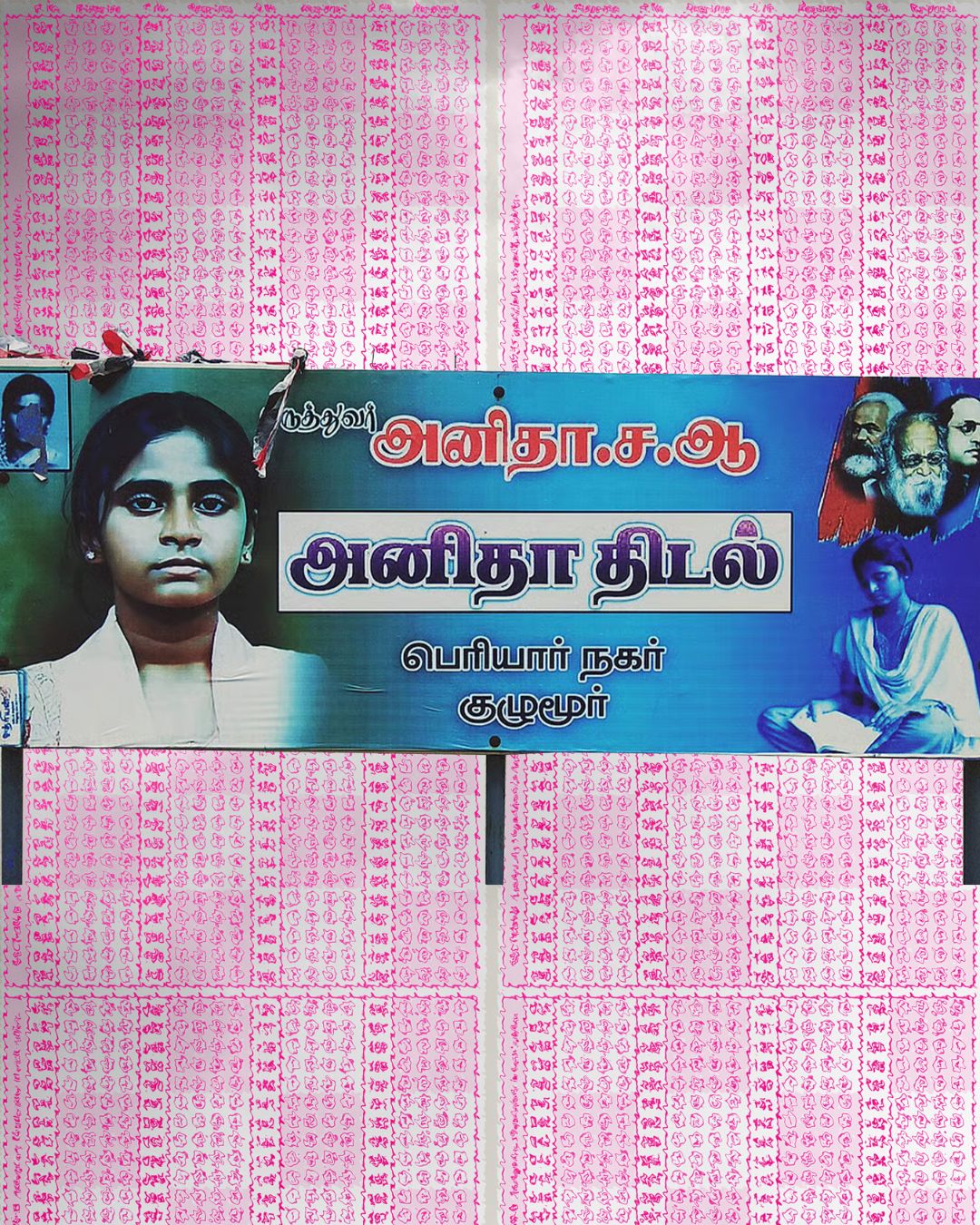
Dr S. Anitha’s Revolt Against the Unequal Education System in India
By Senan R
Senan R reflects on the legacy of Dr. S. Anitha and her resistance against exclusionary, standardized testing regimes that penalize marginalized students in India's unequal education system.

Why Institutional Casteism Demands Anti-Caste Discourse: An Ambedkarite Reading of an Ancient Platonic Debate
By Adhiraj Singh Bisht
Adhiraj Singh Bisht offers an Ambedkarite reading of classical philosophy, demonstrating why institutional casteism necessitates a rigorous, uncompromised anti-caste discourse within modern pedagogy.

A letter to my Adivasi significant others
By Shankar Bhill
Shankar Bhill reflects on the systemic failures of Adivasi Ashram schools, mourning the tragic loss of students to snakebites while tracing a history of cultural erasure and continuous resistance.