
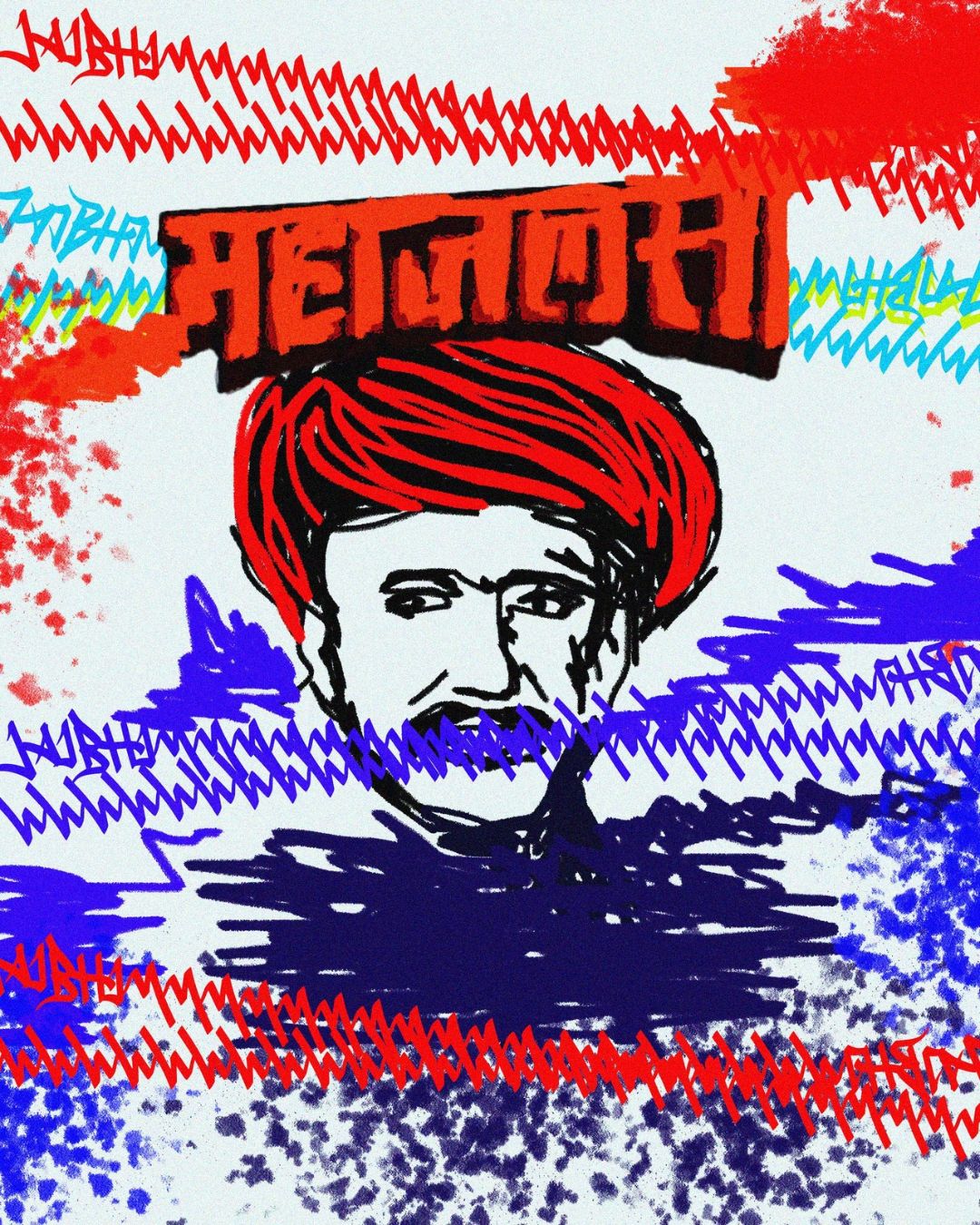
I attended Mahajalsa, organised by Rashtriya Seva Dal on 27th November 2026 in Pune to commemorate the bicentenary of Mahatma Jyotirao Phule’s death. Day 1 brought together paper presentations, panel discussions, dignitaries and performances celebrating folk and Bahujan cultural traditions. The evening performances, however, left me with questions that went beyond the cultural programme itself. The host was a very famous Bahujan Shahir, and the folk performances featured songs about local deities. The performers and anchors sought to situate these traditions within Bahujan culture and to defend their place in the programme. I understand the importance of reclaiming cultural traditions that have historically been dismissed or looked down upon by Brahminical structures. But does reclaiming a tradition mean that we must also accept everything practised in its name? This question became particularly important when another performance featured two young women dancing on stage, in a presentation reminiscent of Gondhal traditions. It made me uncomfortable to see women being positioned as performers within cultural practices that also have histories of associating women with religious dedication and submission to deities. The Waghya-Murali tradition, for instance, raises serious questions about women’s autonomy and dignity. These are not merely questions of cultural preservation; they are questions of gender justice. Phule himself questioned oppressive religious and social practices within society, including those existing within communities that were themselves marginalised. Therefore, celebrating Bahujan culture in the name of Phule without examining its internal hierarchies and oppressive practices seemed deeply contradictory to me.
As these performances continued, some members of the audience, many of them Ambedkarite young people and women, began expressing their valid disagreement. They questioned why practices associated with superstition and the exploitation of women were being celebrated without critical examination. Jai Bhim slogans began to emerge from the audience. What followed was even more disturbing. One of the individuals chanting Jai Bhim was reportedly assaulted by people associated with the organising side, and there was considerable shouting and hostility towards those raising objections. An individual associated with a prominent Bahujan political party in Maharashtra, holding a state-level position, then intervened. Rather than engaging with the assault on the young boy, concerns raised by the women and students, he began explaining to them what the movement was, defending the performers because they had travelled from villages to present their culture. At one point, he even reminded the audience that they had not purchased tickets and had attended the programme for free. I found this response particularly troubling. Since when does attending a free public programme mean surrendering one’s right to question what is being presented? More importantly, why were the concerns of women about practices that have historically subjected them to exploitation being dismissed through such a patronising response? It was difficult not to notice the gendered nature of this interaction: women raising questions about their dignity were being lectured by a male political representative aggressively rather than being heard. What I witnessed was a form of mansplaining in the name of protecting culture and the movement.
Another incident that stayed with me was a person from the same group objecting to people chanting Jai Bhim because people from different castes were present in the gathering. I kept wondering: the appropriation of the slogan Jai Bhim elsewhere is so rampant in progressive and left parties; why are the Bahujan communities – predominantly other lowered castes, or as often called satellite castes, and OBCs – so violently repulsed? Ambedkar’s political imagination and the assertion represented by Jai Bhim cannot be reduced to a narrow caste identity. If the objective is to bring Bahujan communities together, then Ambedkarite assertion should not become something that needs permission or qualification. The irony was particularly sharp in a space associated with Rashtriya Seva Dal, an organisation that speaks of progressive and anti-oppressive values. The anchor suggested at one point that the three-hour programme should be allowed to continue and that these questions could be discussed the following day. But why should critical questions about women’s exploitation, superstition and social oppression be postponed when they emerge directly from the performance itself? Why should those raising such questions be shouted down or removed instead of being engaged with? The people who were questioning the performance were not necessarily rejecting Bahujan culture; they were questioning the oppressive elements within it. That distinction is important.
I left the programme with serious reservations about the politics and purpose of this celebration. I do not believe that every folk tradition must be rejected, nor do I think that cultural practices should be judged without understanding their histories and social contexts. But cultural reclamation cannot mean romanticising practices without rigour simply because it exists within Bahujan communities. The Brahminical marginalisation of local deities and folk traditions is a historical question worth confronting. At the same time, the contemporary appropriation of these symbols by Hindutva politics, including their use in creating hostility towards Muslims, Dalits and Adivasis, cannot be ignored. If we invoke Phule, his philosophy should be espouced in the anti-caste fold, rather than it being a fodder for Hindutva forces; we must also be willing to inherit his spirit of questioning. If we invoke Ambedkar, we must be willing to defend dissent, dignity and constitutional values even when the criticism is directed at our own organisations and communities. A festival celebrating Bahujan culture should be a space where marginalised communities can question power, not a space where they are asked to remain silent in the name of cultural unity. Otherwise, what exactly are we celebrating, and whose liberation are we claiming to represent?