
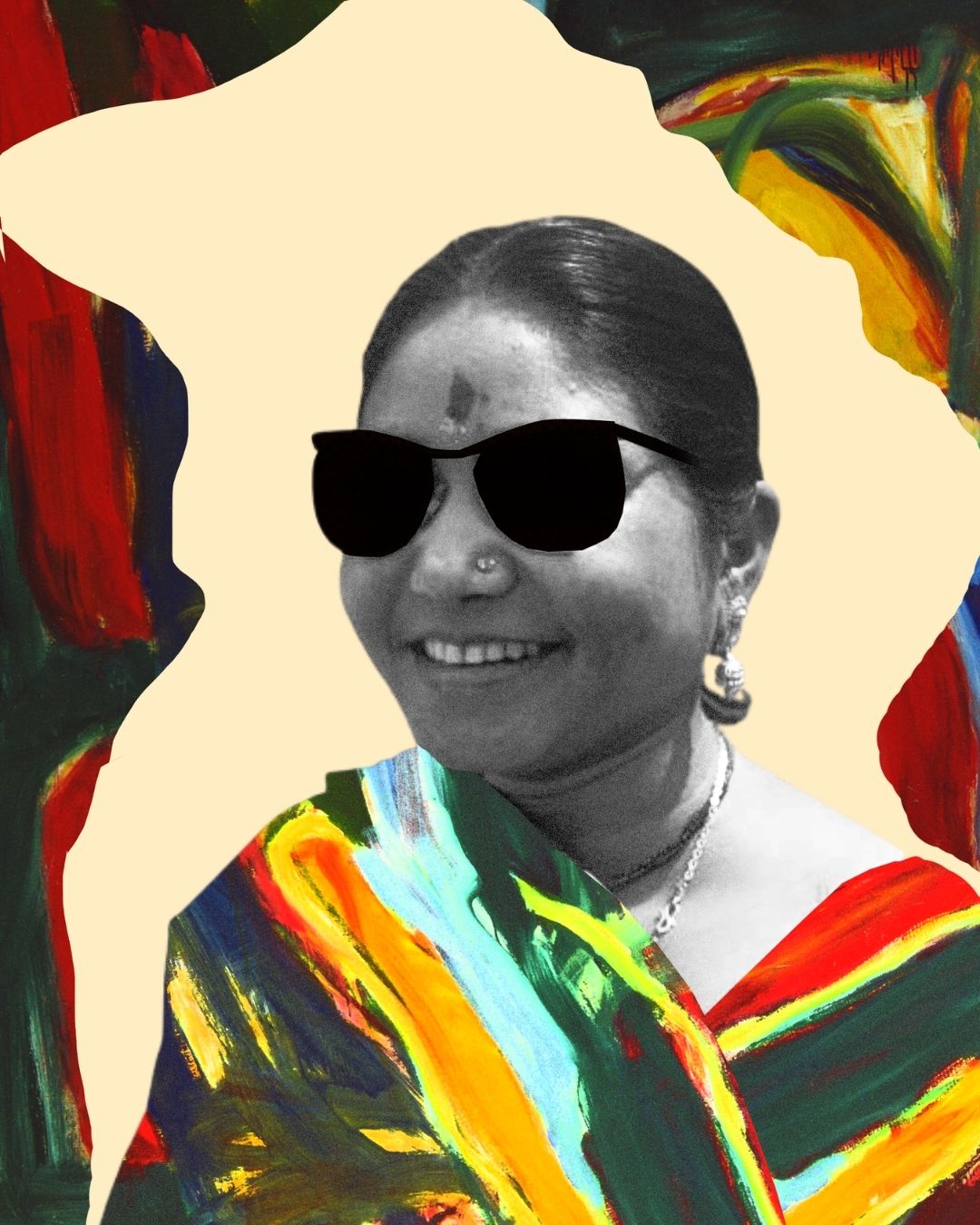
"The bandits had tried to torture my body, but the others tried to torture my spirit."
Phoolan Devi lived a life of 37 years and she shook the conscience of society and the political stalwarts of her time. She was a woman of integrity, self-respect, and ambition. Unfortunately, mainstream discourse has always imagined her life either through the lens of victimization or criminalization.
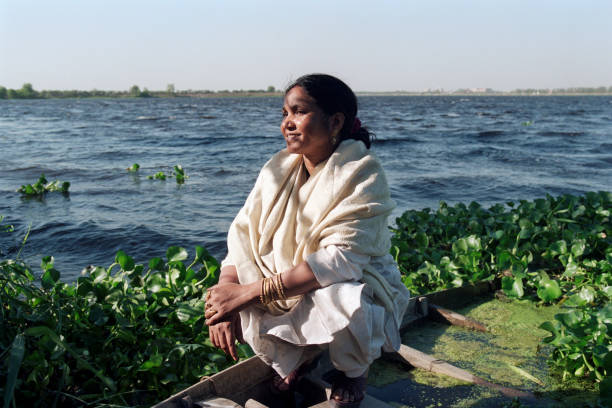
In her autobiography, she writes:
“So many people had spoken for me without me ever having been able to speak for myself. So many people had taken my photo and distorted it for their purposes. So many people disdained the little village girl, who was tortured and humiliated, but still not crushed.”
She further adds:
“Journalists had tried to get my story, movie directors had tried to capture me on film. They all thought they could speak about me as though I didn't exist, as though I still didn't have any right to respect. The bandits had tried to torture my body, but the others tried to torture my spirit.”
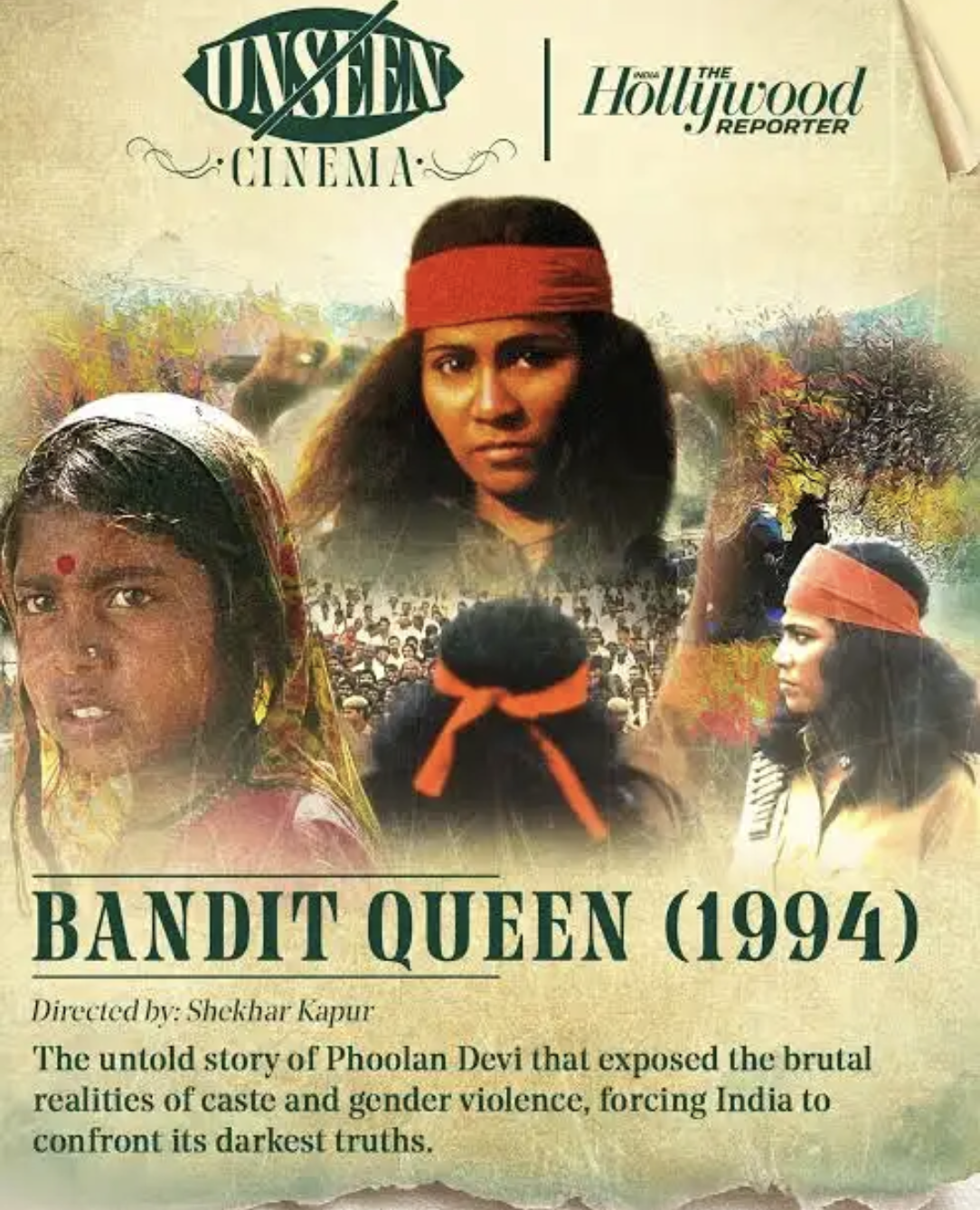
She opposed Shekhar Kapur's cinematic portrayal of her life as the "Bandit Queen," arguing that it stripped her of agency. In an interview with The Atlantic, she stated that she was falsely shown as "a snivelling woman, always in tears, who never took a conscious decision in her life," portrayed instead as someone who was "raped, over and over again."
In 1992, Roy Moxham, a British writer, read about Phoolan Devi in a British newspaper. Astonished by her story, he wrote her a letter, unsure whether it would even reach her. To his surprise, he received a response, and the two exchanged letters several times over the next two years.
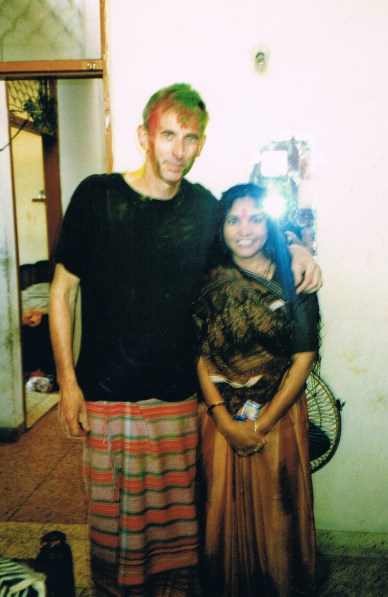
Moxham writes:
“She worried that she might be hung, and I reassured her that it could never happen; she vomited blood, and I sent her advice from my doctor brother.”
He also offered to help with her legal expenses and reflected:
“I had lived in Africa for several years but conditions in India seemed even worse. It was clear to me that the poor of India needed voices to plead their case. I also felt that Phoolan had been cruelly treated by fate.” After her release from jail, the two met at her house.
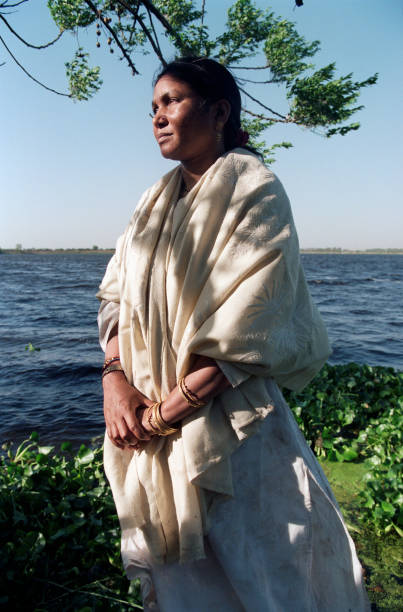
At the age of 31, in 1994, Phoolan Devi was released from jail after spending a decade imprisoned without any trial. After a traumatizing childhood and a terrible youth, she emerged from prison with a vision. She writes:
“A new battle began the day I left the prison, but it was going to be different. I still hardly knew how to read or write, but I knew better how to see, hear, and understand the people and things of this world. I had survived in the villages and jungles, and I prayed to God I would be able to survive in the city, to help those who still suffer the way I suffered.”
A major credit for her release goes to Manyavar Kanshiram Saheb, who compelled the coalition with the Samajwaadi Party.
One of the first things Phoolan Devi did after her release was to begin learning to read and write, choosing the path shown by Savitrimai Phule, who said:
“Awake, arise and educate, smash traditions – liberate.”
She later founded the Eklavya Sena, an organization committed to fighting caste atrocities and working for the liberation of marginalized and oppressed women facing caste-based sexual violence.
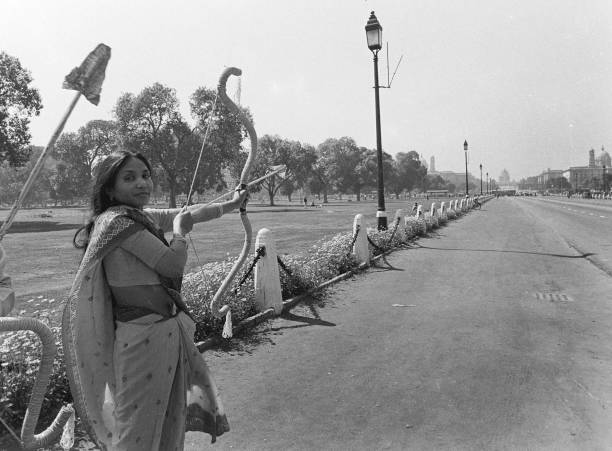
In a speech in Patna, she declared:
“Eklavya was our emancipator. Our exploiters severed his thumb and sent him to the jungle. But now, times have changed. There are hundreds of Eklavyas. Today, if any Dronacharya tries to sever the thumb of an Eklavya, his hands will be chopped off.” She added: “Eklavya Sena shall never be a mute witness to the atrocities against the poor. They should oppose it.”
During her visit to Japan, Catherine Pawasarat, a US-based author, asked her in an interview about the Eklavya Sena and its work in teaching self-defense to women and men from lower castes.
Phoolan Devi replied:
“Yes! It’s still going on; the school teaches them boxing and a discipline that involves fighting with sticks. In small schools in villages, we’re trying to teach girls so that they can protect themselves. I’ve also supported many schools in Uttar Pradesh, Bihar, and Madhya Pradesh that are running such programs.
I also tell women to get themselves educated. I tell them that when they get married, they shouldn’t have many babies—just one or two—then educate them well, and let them determine their own lives.”
In 1996, Phoolan Devi was elected to Parliament from the Mirzapur constituency. She was a vigorous parliamentarian who rarely missed a session. Her speeches against child marriage, zamindari, and parallel panchayat raj made life uncomfortable for feudal interests in the Lok Sabha.
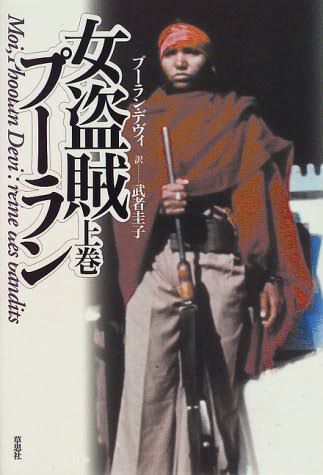
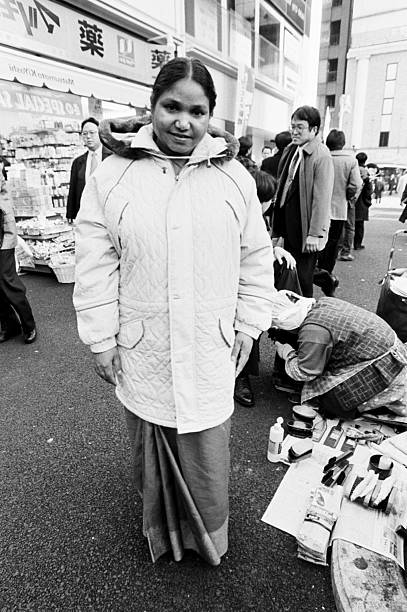
During her tenure, she visited Japan, including Tokyo and Kyoto. She addressed the Japanese Parliament, narrating her life story and sharing her vision for Indian society. Deeply influenced by her, the Japanese translated her autobiography into Japanese, where it became a bestseller.
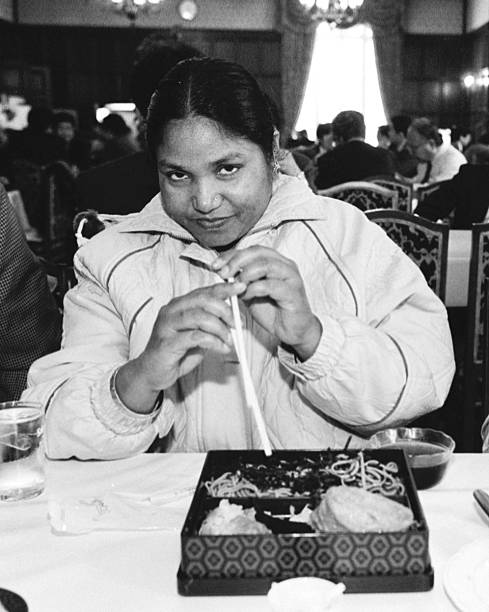
Phoolan Devi also enjoyed her time in Japan, walking through cities and marketplaces and trying Japanese cuisine.
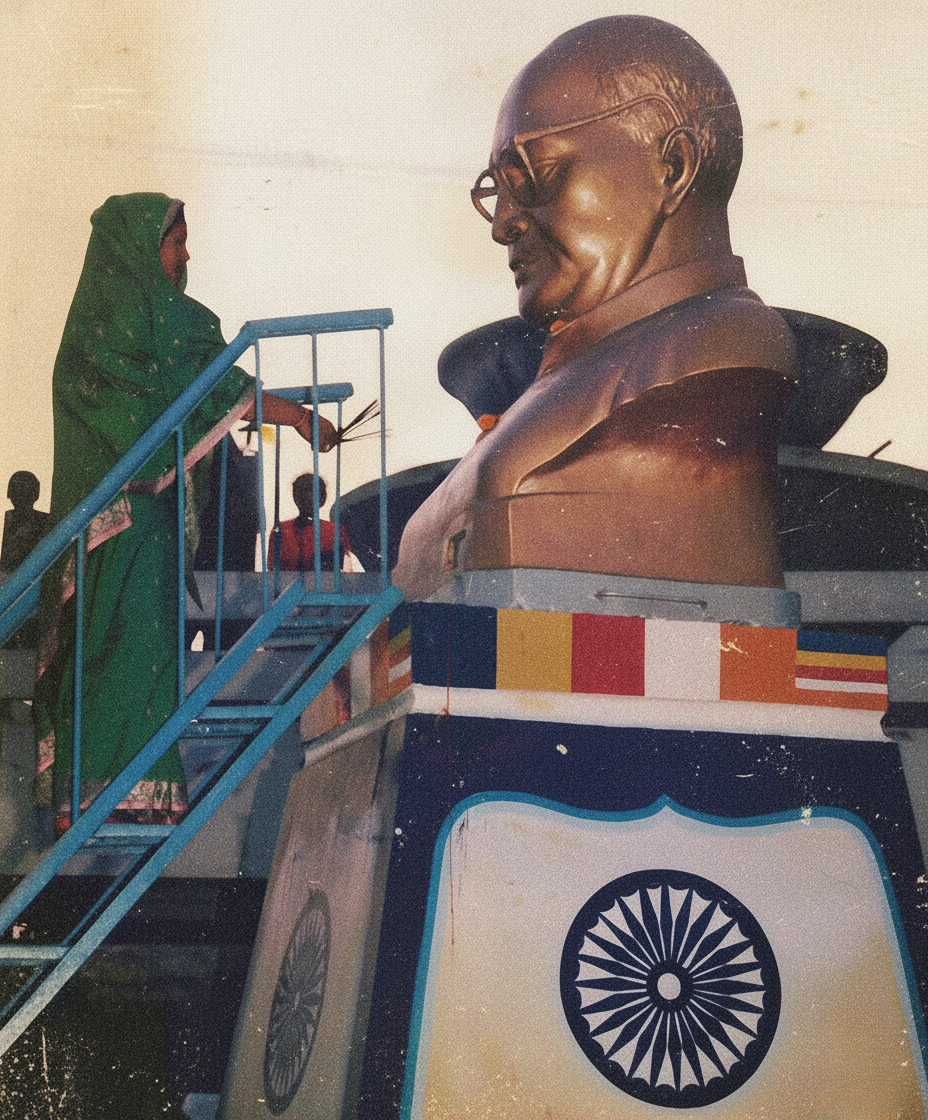
On February 15, 1995, she embraced Buddhism. The date and place are significant: it was Ravidas Maharaj Jayanti, and the location was Deeksha Bhoomi, Nagpur, where Dr. Ambedkar had embraced Buddhism with lakhs of followers in 1956. Legacy. She converted in the presence of Ito Michiko, a member of the Japanese royal family.
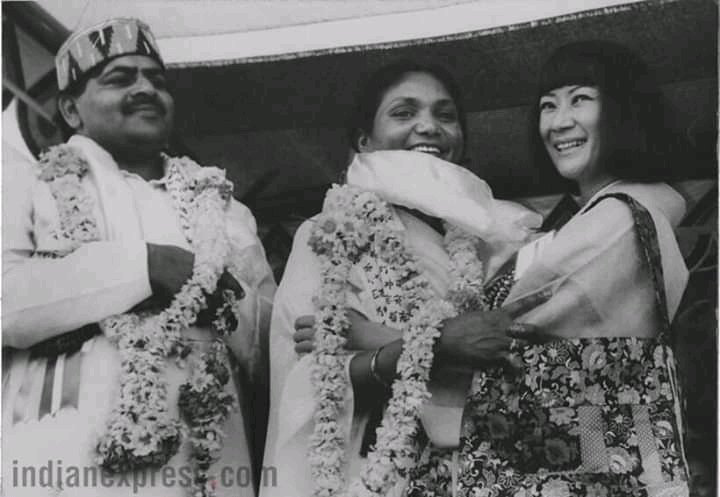
Chiharu Takenaka, Professor of Politics in Asia, writes: “Phoolan did not die as bandit; she died, quite amazingly, as member of Parliament. Her life illustrates us the possibility of Indian democracy to overcome violent crimes as crude forms of class struggles”
Indeed, she died as an honorable Member of Parliament and a Buddhist!
From whatever I have read and listened to in the interviews of Phoolan Devi, I understand that she wanted to live a life with love, dignity, and compassion, beyond criminalization and victimization. And she wanted the same for millions of deprived women.