
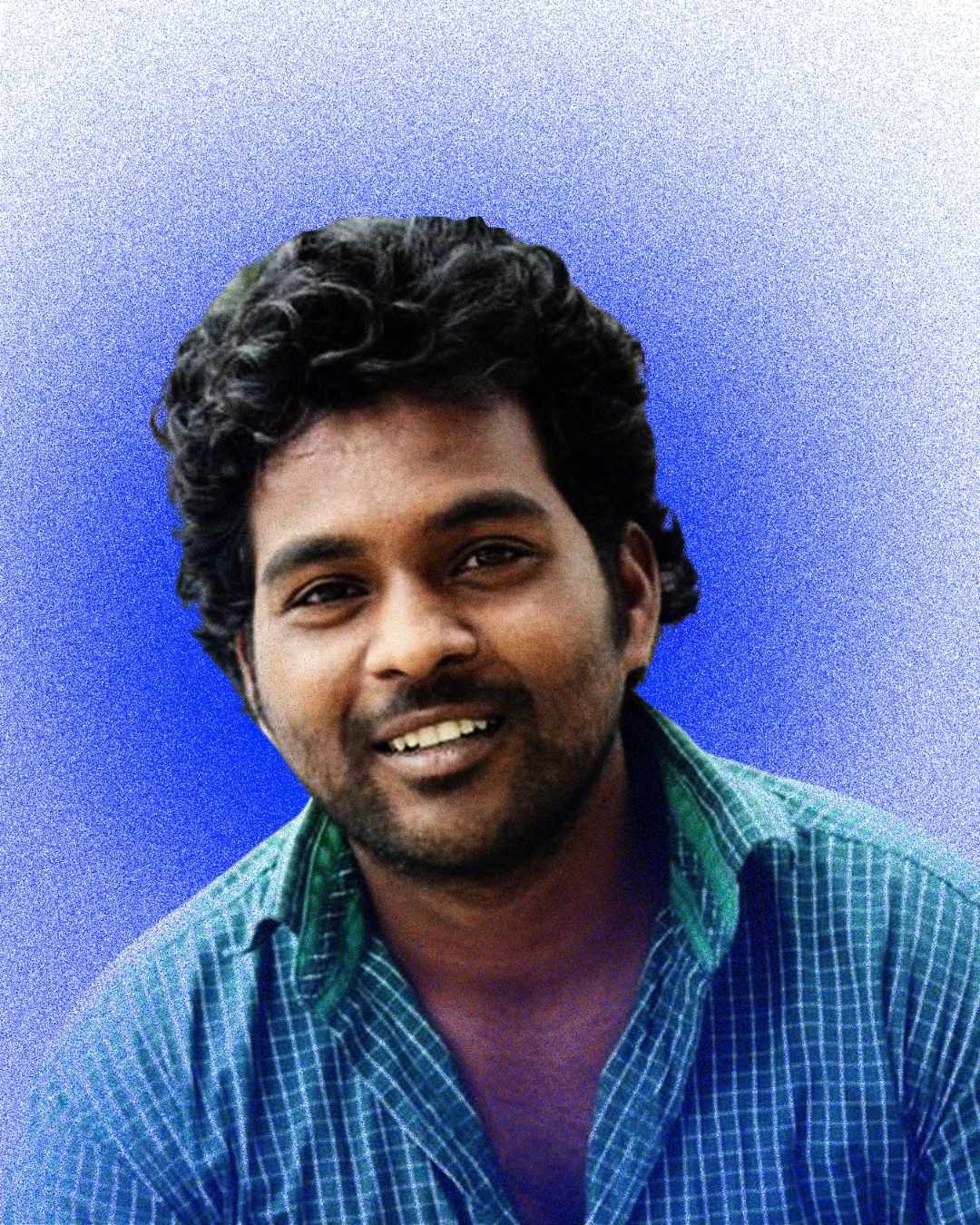
A hundred metres into the University of Hyderabad, you’re met by a bland stretch of shopfronts, seating, and everyday noise of student life, probably a typical feature of a university. And yet one distinct presence cuts through the ordinary: a brown sculpture, radiant, facing the sitting rows as though it belongs there more than the buildings around. Probe its history, the campus recounts a story that it cannot fully bury: a story of resistance and grief. In time, the stupa grew into a symbol, a linchpin of anti-caste discourse in the country and around it emerged an unwavering called Justice for Rohit Vemula movement. In a current political climate where rechristening of places takes a primacy in political manifestos, there are certain sites that are immune to such alterations, one such example is Velivada. Traditionally, it connotes a Dalit ghetto, distant from the dwellings of upper castes, the corners became a prerogative enclave for dalits. In University of Hyderabad, Velivada bore witness to the despicable social boycott of five dalit scholars: Dontha Prasanth, Rohit Vemula, Vijay Kumar, Sheshaiah Chemudugunta and Velpula Sunkanna. In realising the burden of social boycott, it offered them a refuge like it always did to the weary folks to shelter from the chilling weather. Velivada, for me, complicates the realisation of the Begumpura. In Begumpura’s infrastructural manifestation, Velivada becomes a site of transfiguration in its undoing of the institution it is situated in and that took its life away. As Rohtih puts, “No suicides on campus. I want a democratic campus where casteism will not kill my brothers and sisters.”
There was a forensic dissection of Rohtih’s identity around the time of his death. Life felt easy until I realised how strange it is, in this country, to be asked to prove your identity as though your home, body and experience weren’t explicit enough. It’s written all over you, yet the state refuses to see it, and entrusts a functionary to scrutinize the validity. And once they claim the power to recognise you, they get to write your story according to their aspirations. Rohit was a free thinker, he was someone who dared to question the Brahminical hegemonies ingrained within the institutions and beyond. I find in Rohit an articulation of a new faith. A faith that lays claim to the ideology of the most oppressed. He says “ We need to build a universal human consciousness unfettered by the rules of diverse ethnic backgrounds” This is where Ambedkarism differs from religious systems as it seeks to impose dogmatic knowledge, spirit and conscience for an all-inclusive, democratic and emancipatory democracy. Eventually, Ambedkarism is an antidote to the autocratic and fascist regimes because it acknowledges and challenges the structural and historical forces that safeguard the dominant inequalities and oppressive systems. We must seek refuge in his saying “I am not inferior to anyone. And I have Ambedkar on my side” Because communities like ours have never witnessed miracles, we witnessed atrocities and emancipators like Ambedkar gave us a language to comprehend politics, a philosophy to forge a counter-cultural assertion and the courage to disrupt the oppressive social order.
“I am not inferior to anyone. And I have Ambedkar on my side.”
“Rohit Shahadhat Din” to me is less of a nostalgic lamentation of an unjust absence but more of an honouring of a life that once challenged the manifold casteism within the institution. It’s a warm call with a greeting to participate in struggles and protest. It's an urgent assertion to love and extend solidarity for those around you, like Rohit puts “Being kind is better than being correct or being intelligent.” In a time of seismic political realignment where dissent is crushed with the threat of detention, Rohith becomes a referent, a beacon of hope and persistence for those who refuse to be silenced. Taking inspiration from Prashanth Donta’s address from last year’s Shadath Din, I want to convey that Justice for Rohit Vemula Movement doesn’t ask for favouritism, it asks for fairness. And if anyone wants to understand resilience, let them study this movement – a decade-long battle for self-respect, sustained by an unflinching commitment to Ambedkarite principles.