
The full sense of absence—of someone we thought we knew—travels faster than any declared truth. It reaches us before language can prepare us. It tells us, brutally and without negotiation, that the one we believed to be familiar was, in fact, strange to us; and that the strangeness was not his, but ours.
Some deaths do not merely end lives. They expose truths that were always known yet carefully unspoken. They strike not only grief, but the repressed layers of our conscience—those fragile arrangements through which we sustain sanity, morality, and the everyday lie of continuity. Such deaths do not allow us to bluff emotion. They suspend the luxury of optimism. They force anxiety into the open and make us confront the uncomfortable labor of remaining sane by acknowledging how much insanity we have already accepted as normal.
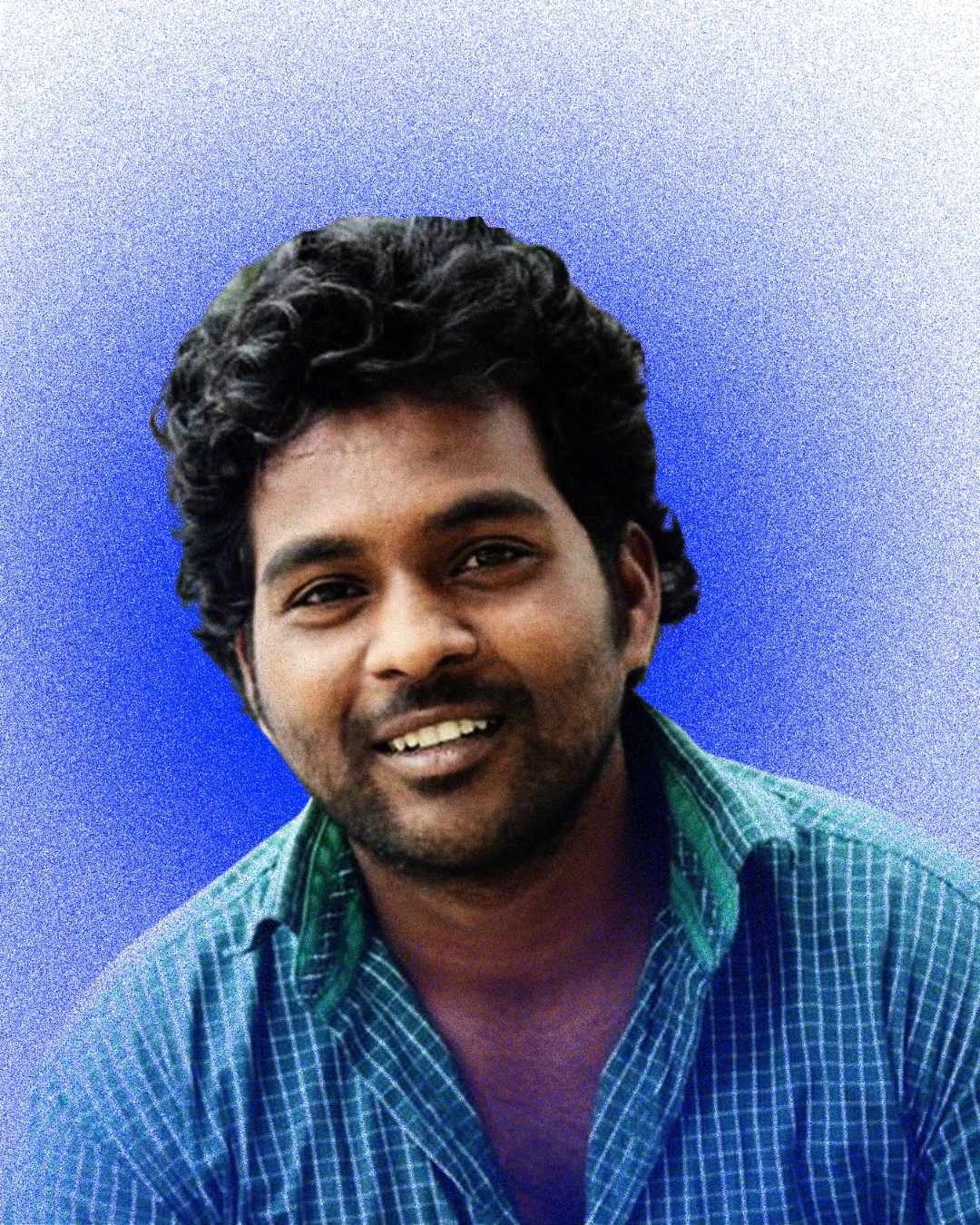
Rohith Vemula’s death did not only disturb those who loved him—his family, his friends, his comrades—but also those who opposed him, feared him, or sought to erase him. What it truly invoked was not outrage alone, but the recognition of a deeper lack: the silent, unconscious knowledge that within this system, we are all bound to fail. That realization was unbearable. And so, we responded with guilt.
I say we deliberately.
Some demanded that guilt be lifted from the personal and placed where it belonged—on the university, the government, the state, the procedures that call themselves justice. They asked the system to accept responsibility, not as sentiment, but as fact. But many of us—particularly those like me, Dalits inside universities, suspended uneasily between fear and proximity to power—invoked guilt differently. We carried it inward. We used it to cautiously emerge, to speak our identities with trembling bravery, even as we remained tethered to the very structures that produced our fear of being known.
And then there were the politically correct, progressive caste others, who invoked guilt not to rupture the system, but to stabilize it. Their guilt functioned as containment. It prevented collapse. It reassured them that feeling bad was equivalent to doing justice. Guilt, after all, is remarkably effective at preserving moral order. It protects the self from contempt. It allows hope to survive where honesty would demand its abandonment.
Self-contempt is more dangerous than self-hate. Hate still dreams of repair. Contempt recognizes the absence of tomorrow.
The modern university cannot tolerate this recognition. Despite its universal claims—of liberation, critical thought, emancipation—it systematically obstructs the realization that the promises it makes are structurally impossible to fulfill. It offers small acts of resistance as mirrors, petty liberations as proof of freedom, while ensuring that the deeper machinery of exclusion remains intact. It teaches us to manage despair, not to confront it.
No revolution begins without accepting hopelessness—not as defeat, but as truth. One must fall, and fall again, until the fantasy of reform exhausts itself. Only then can pessimism become productive—not as cynicism, but as the condition for something genuinely new.
"The university is not the place where revolution begins; it is where revolution goes to die."
Rohith Vemula died because of the system. But he also died because of the much more unsettling truth—the lack inherent in the system’s foundation, in its very claim to moral existence. This realization did not leave him with hope, nor with the cheap desire to change what cannot be redeemed. It took him away from us with a pessimism sharp enough to imagine the end of the system itself—to force a moral blast from within, one that could rupture it forever and make space for a new beginning.
If his death is to mean anything beyond ritual mourning, it must refuse the repetition of guilt—from any quarter. It must not allow us to bluff again. It must remain an unresolved rupture, a truth that does not heal easily, so that no other Rohith Vemula is asked to live inside a system that survives by killing those who see it too clearly.