
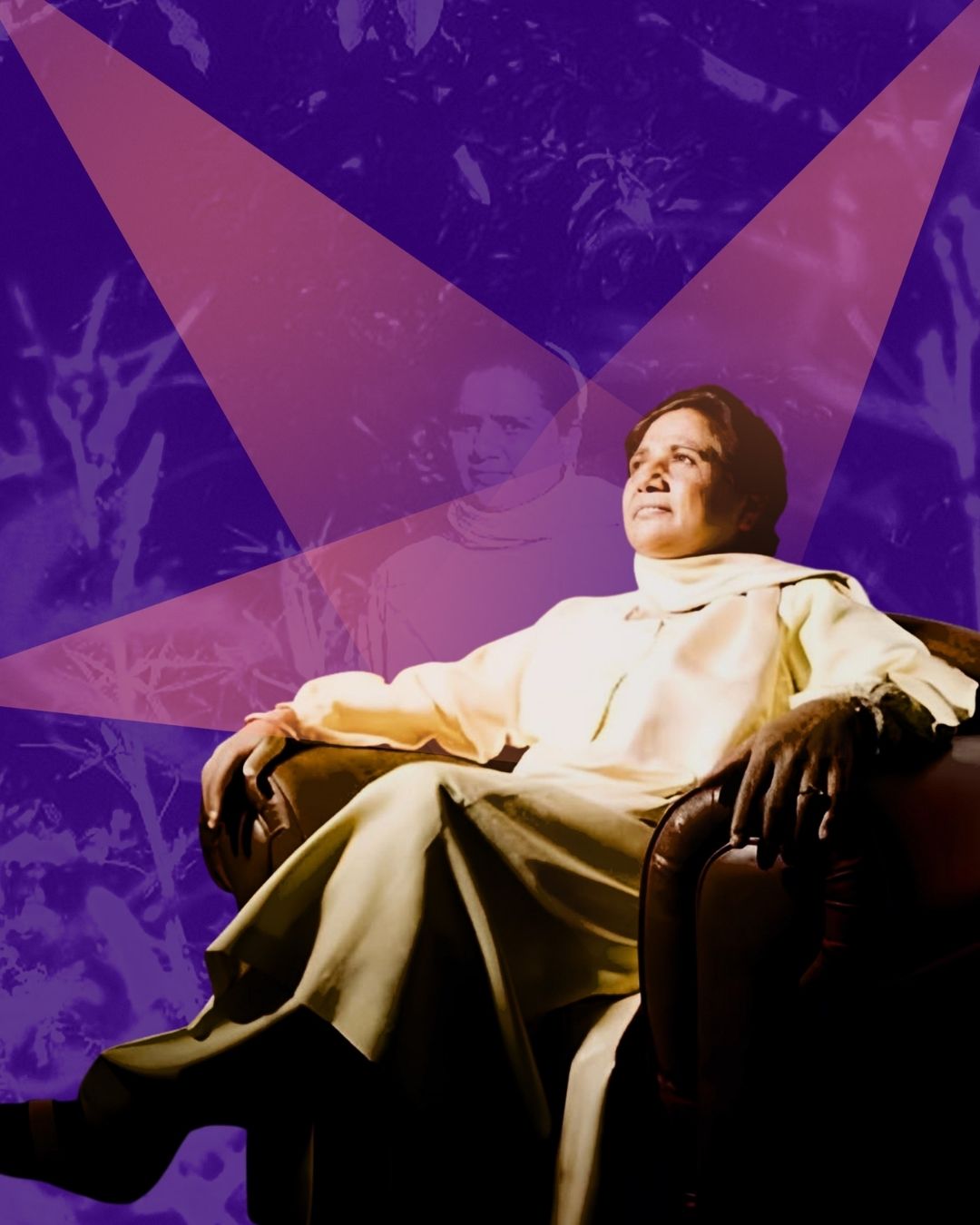
“Hazaaron saal nargis apni be-noori pe roti hai,
Badi mushkil se hota hai chaman mein deedawar paida.”
(For centuries, societies remain stagnant. Aware of their suffering but unable to understand its causes. Only after long periods of stagnation and pain does a rare visionary emerge, capable of seeing what others could not and pointing toward change.)
The word Deedawar means a visionary and it fits Behenji Mayawati best. In a century a leader like her is born. She was not way ahead of her time, in fact she created the time that we call great. History is nothing but the biographies of such great personalities. They are not bound by time, time is bound to them. As Dr. Ambedkar said in his iconic speech “Ranade, Gandhi and Jinnah”, “Flint may not exist everywhere. But where it does exist, it needs one to strike flint against flint to create fire”.
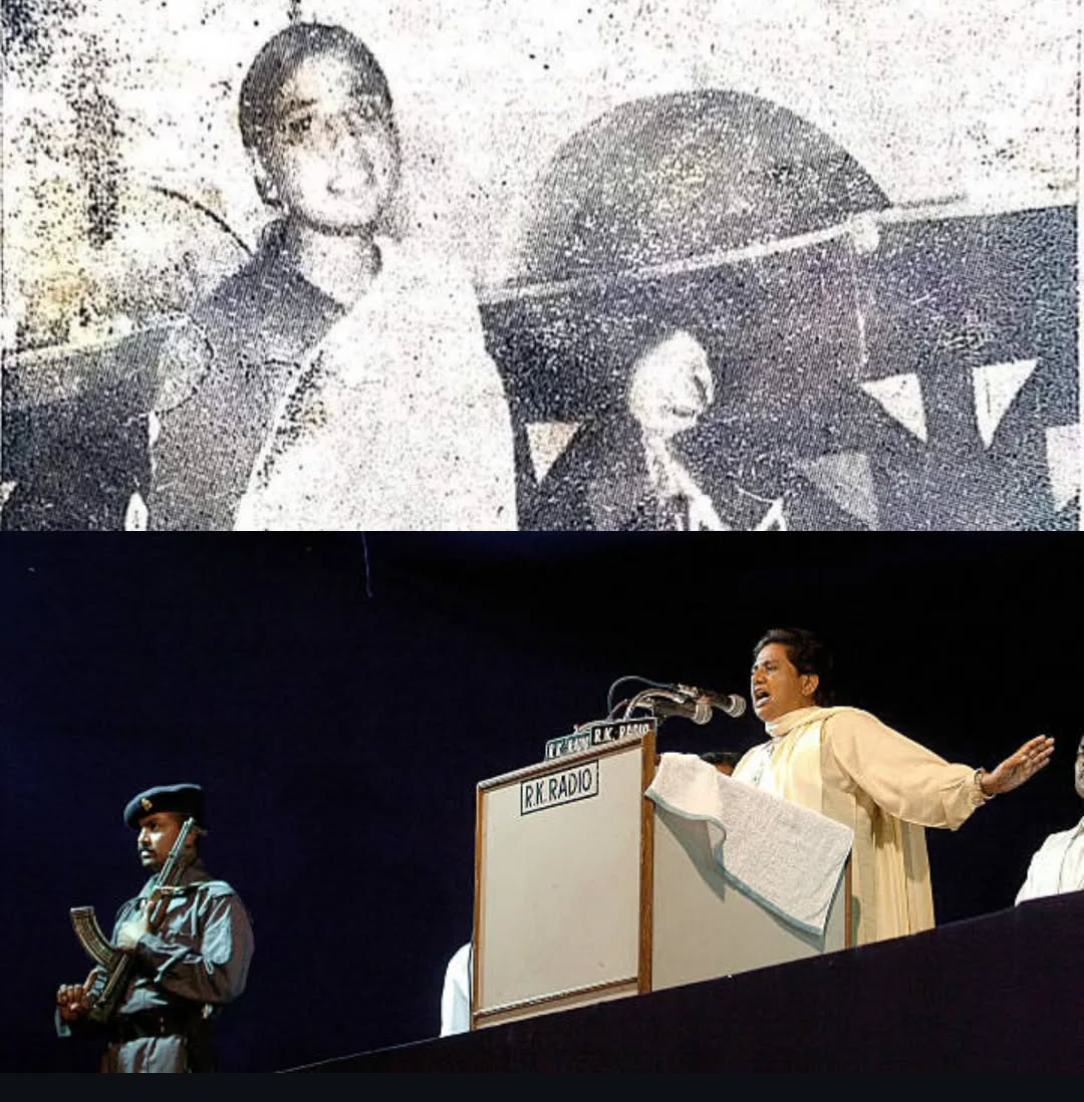
A rare visionary whose journey redefined Indian politics.
Her journey from Maya to Behenji of the masses, the saga of her struggle is unparalleled in Indian politics. No leader can come close to sharing her journey. Her rise is an epoch-making event in post-independence India. She has secured that place in history.
Mayawati does not need to be read through a feminist or liberal dictionary. She does not need to seek approval from their checklists of what constitutes a “good” leader in the savarna world. Her politics emerged from crude struggle not from savarna moralities. Indian feminist and liberal caste interests never truly admired her merit or even made any serious effort to understand her life. They have always been very lazy in analysing the life and politics of Mayawati. They walked comfortably with male-centric middle class discourses, applying the same yardsticks used to delegitimise women who do not conform. As Dr. Ambedkar writes in AOC, “Caste has made public opinion impossible… His responsibility is only to his caste. His loyalty is restricted only to his caste… There is no appreciation of the meritorious.” Mayawati stands outside the lazy Savarna frameworks. She is a phenomenon in herself.
"Mayawati does not need to be read through a feminist or liberal dictionary. She does not need to seek approval from their checklists of what constitutes a 'good' leader."
Mayawati changed the basic rules of Indian politics. In 2024, she proved that communal politics cannot be defeated by soft secular slogans and development rhetorics alone. It can be challenged by bringing in caste realities back into political debate. In the last Lok Sabha, when the Congress-led was successful enough to stop the brute majority of the BJP and put up a serious fight, much of its language was borrowed from what the BSP had been articulating for years.
After the Kamandal phase, communal politics systematically pushed the backward classes away from their real problems and drew them into a false and hollow pride built around communal identity. This politics did little to change their material conditions. As Dr. Ambedkar clearly stated, “People do not live on culture. People do not live on language. People live on the resources that they possess.” Communalism distracted the backward classes from their long struggle for land, dignity and political representation. Mayawati toppled this by bringing in Bahujan Hitaya (interests) at the centre of political conversation.
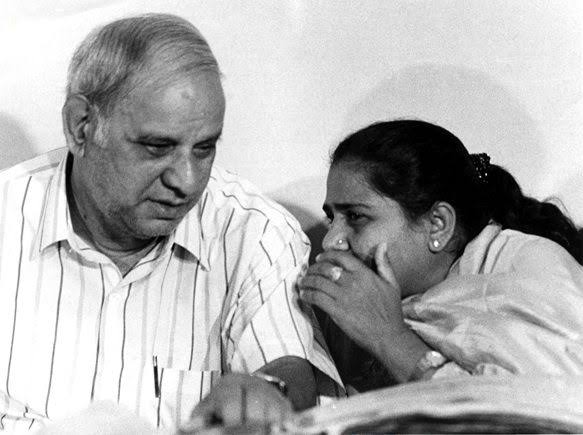
Today, if the caste question is taken into serious consideration in electoral politics, it is because of the decades-long struggle endured by the BSP. At a time when caste was either reduced to welfare arithmetic or deliberately pushed out of public discourse, the BSP was hellbent on treating it as a question of power and representation. It forced political parties to acknowledge that electoral democracy in India cannot function without addressing caste questions and maths. It is the BSP that made Babasaheb Ambedkar and the Constitution part of the everyday grammar of Indian politics. They became unavoidable in electoral practice. This shift did not occur through consensus over the time, it was brought through cadre force of BSP and outfits before BSP was articulated like DS4 (Dalit Shoshit Samaj Sangharsh Samiti) and BAMCEF (Backward and Minority Communities Employees Federation).
"It is the BSP that made Babasaheb Ambedkar and the Constitution part of the everyday grammar of Indian politics. They became unavoidable in electoral practice."
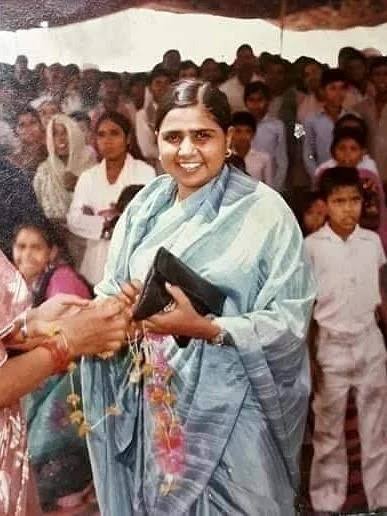
Mayawati entered public life at the age of 21 as a young activist of DS4 while pursuing her LLB. At 28, she contested her first election and faced defeat. Finally in 1989, she entered Parliament from Bijnor. Before becoming Chief Minister of Uttar Pradesh in 1995 at the age of 39, she lived almost entirely without any address. During the formative years of the BSP, she travelled relentlessly across the country from one corner to another with party cadre often in overcrowded public buses or on bicycles with fellow comrades, addressing meetings in hostile social environments where a SC woman speaking politics itself was a matter of great anxiety.
She spent nights in party offices, workers’ homes, school buildings and unfinished structures, changing locations on a daily basis and carrying little beyond essentials. There were long periods when she had no fixed residence at all. When she left home against her father’s wishes to join politics, the party office became her permanent address. Even after becoming an MP, she didn't avoid distance from cadres, continuing constant travel, insisting on direct meetings and maintaining strict organisational discipline. Her command over the party emerged from these years of shared hardship remembered by cadres who had travelled with her and eaten with her. For a young, single woman to sustain such a life over long decade was bold and not at all easy as we remember today.
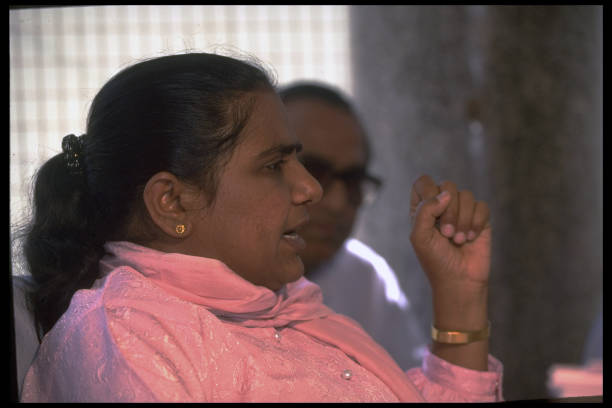
Although her political graph has consistently declined, Mayawati’s political life cannot be reduced to electoral wins or losses. It must be read as a long political struggle that forced the caste question into the centre of Indian democracy and directly challenged communal politics. I am confident that there is still a chapter left in Behenji’s unparalleled political career. The time may not appear to be hers today, but the ideology remains hers. It is on the very language and politics of Bahujan maths that the BJP is being countered today. The elephant may be out of power, but it remains a powerful presence in the room.