
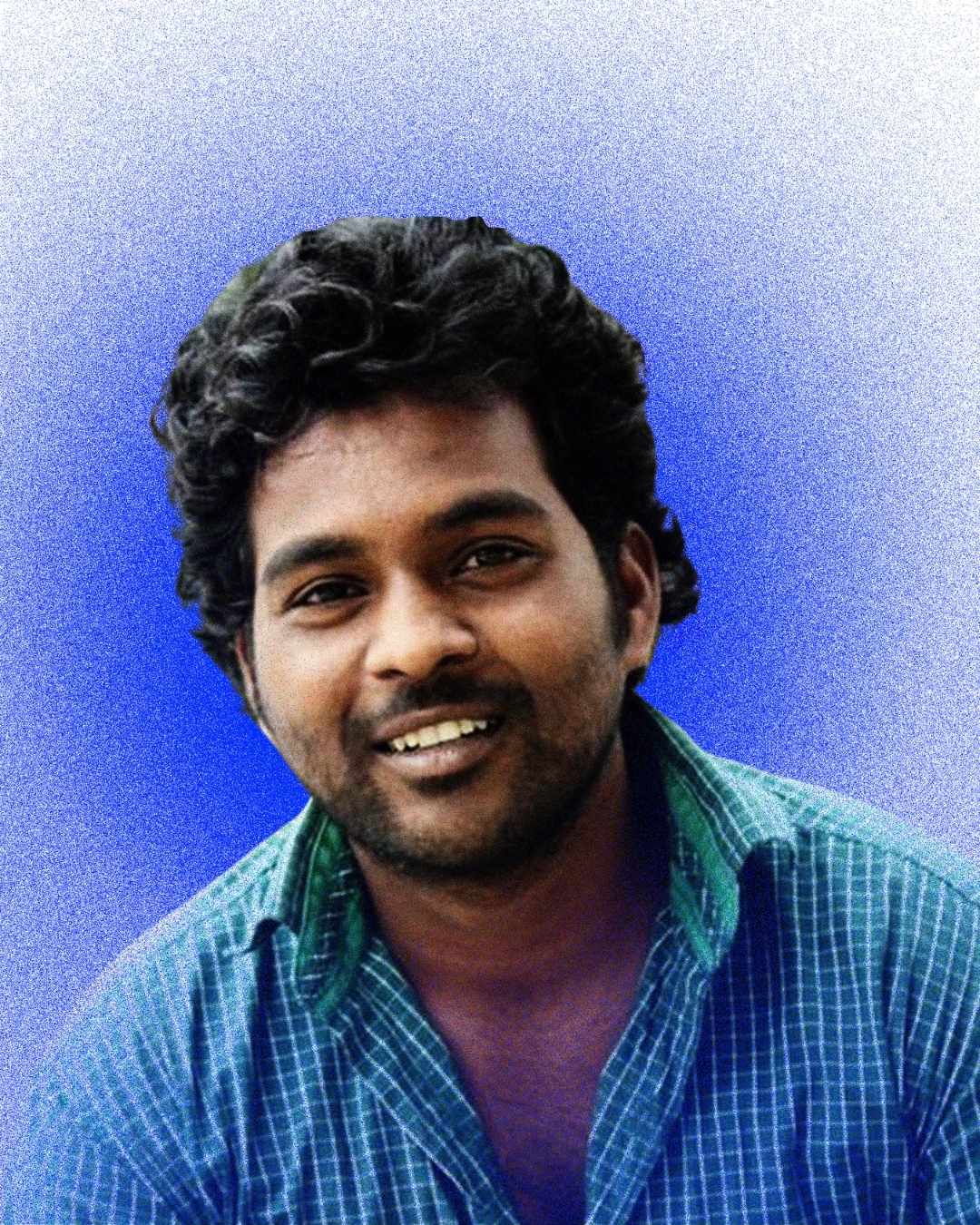
“Nor all the creative arts really much different. For all their talk of individualism and originality, writers and artists depend on the accepted ideas of the age for their success, so even when they seem to protest, they in reality give unwitting, silent approval to society under the oppressors' control”
– Daniel L. Pals
The above quote was posted on Facebook by Rohith Vemula on 15 October 2015. The quote is excerpted from Pals’s book Eight Theories of Religion. Pals in the section of this excerpt writes, for Marx, creative artists are not independent forces but part of society’s cultural superstructure, shaped by economic conditions and class struggle. Although art presents itself as original and personal, it reflects the dominant ideas of its time, which serve the interests of the ruling class. Modern ideals such as individuality, freedom, and originality align with capitalist needs for flexible, self-reliant workers. Even when artists appear to challenge society, their work usually depends on accepted values to gain recognition. As a result, artistic individualism often reinforces existing power structures rather than truly escaping them.
Many activists and students found some calling to get active in the movement. They started identifying with their Dalit identity more openly after Rohith’s murder. Artists were not kept out of this. There was and is a strong need to fight for justice for Rohith and many students murdered by institutional casteism. There were/are performances of Rohith’s last letter. Poems, plays, web series, books, documentaries, mention in memoirs and the list goes on. However these circulated mostly in the liberal market to evoke an empathy in Savarnas. One of the many challenges artists face is funding. There is a dire need for money to tell these stories and for survival. A new wave of artists have emerged in the last decade who speak politically correct language to bank on Dalit trauma and violence to create art and survive off it. These artists have been very generously funded by the guilty savarna patronage for the liberal audience. Unfortunately, such artists forget the community in whose names they are raising funds and making a living. Suddenly the artist shields himself with the morality of his job i.e his job is to only tell the stories. Thus art becomes art for art’s sake and nothing beyond that. When ASA approached a “Bahujan” filmmaker, the major portion of whose documentary has been concentrated on Rohith, to screen her documentary for the tenth anniversary of Shahadit Divas, the organisers were baffled when they were asked for compensation for it. These student organisers have over the past generously offered the data to the public freely for academic and artistic endeavour. And neither does the organisation monetarily benefit by such screening, when most of its funds come from the Dalit patrons. There are many Dalit artists and performers who organise ticketed shows elsewhere in the country in the name of Rohith, his life, letters and dreams as a purely artistic endeavour, always funded by the Upper Caste. This contrasts greatly with the struggles around many Dalit organisations mobilising for Rohith Act. What do we do with the narcissism of an artist, who is uprooted from social and political causes but has found ways to make social contact and security off the same?
In a play commemorated to honour Rohith, the actors solemnly recite his suicide letter: “My birth is my fatal accident.” Something written in privacy, in the moment of isolation has become a thing to enact publicly. The public place here is not the serenaded road for a street play, or unorganised protest without police permission or even an organised one in compliance with the authority. This is a ticketed show in a venue that requires exuberant money, and by default ticketing the show. What such reading of the suicide letter does in such a setting is to temporally re-create the atmosphere of the real event through forced representation with an aim to evoke empathy. As Saidiya Hartman writes on such form of empathy in Scene of Subjection, “…if this violence can become palpable and indignation can be fully aroused only through masochistic fantasy, then it becomes clear that empathy is double-edged, for in making the other’s suffering one’s own, this suffering is occluded by the other’s obliteration…as a consequence, empathy fails to expand the space of the other but merely places the self in its stead.”
If art is truly for community's sake the question of material benefit to the community from which art is extracted is a big question. For instance, Rohith is the community and we make art in his name. If justice is still denied to Rohith and material condition of his kin and students like him is still unchanged, if anything only worsened with more suicides of students, then what good is the art apart from Savarnas distributing their guilt institutionally through funding to a select few elusive representatives. Even in their guilt, and desire to sidestep, their emotion is the most dominant factor of a Dalit artist. Guilt is also one way Savarnas feel the ownership over their caste privilege to find an institutional way to caricature castelessness, by befriending a singular Dalit whom they revere as the representative of the community. The prosperity of the entire community is put on one Dalit. This is the paradox of Dalit artists performing Rohith’s suicide letters in a liberal platform. It is entirely antithetical to what Rohtih and after him, Rohith Act fights for: the struggle for institutional equity through reservation, better campus conditions for students. Whereas for the artists, it was primarily portraying themselves as a representation of the whole community to amass a cultural capital, and not the change Rohith fought and died for. We mistake Rohith’s loneliness as the need for community when we collectivize under the same. So to hear in a ticketed show his words “My birth was a fatal accident” in order to gather a public, it flattens entirely, the words are fully gutted out of their meaning. Such art does not challenge the structures of injustice, but merely uses it to make their own voice acknowledged. While artists and academics make careers out of Rohith’s life, students of ASA struggle to catch a bus to Court to make a case for Rohith Act. Many organisers in Bengaluru and Chennai struggle to mobilise committees to discuss the same.
What is this loneliness that haunted him despite the community? As artists, in order to address that, we must surrender to the place he wrote from. Today a lot of us will write and perform in his name but does our duty as artists end there? The urgency to make his atrocity communicable, many artists have made a market out of his words. The Rohith Vemula movement shaped consciousness and created voices. We belong to the post-Rohith movement not because we knew him personally, but because his death exposed caste violence deeply embedded within Indian academic institutions. Remembering Rohith also means remembering Senthil Kumar, Muthu Krishnan, Dr. Anitha, Dr. Payal Tadvi, Fathima Latheef, Angel Chakma and many others. These were not isolated deaths; they reveal the urgency of annihilating caste, beginning with educational spaces.